The Drama: When Business Becomes Personal
The year was 2022, and Business Proposal (사내맞선) took the K-drama world by storm.
What started as a simple premise—Shin Ha-ri attends a blind date in place of her friend, only to discover her date is Kang Tae-mu, the CEO of the company where she works—became one of the most beloved romantic comedies of the decade. With Kim Se-jeong’s impeccable comic timing and Ahn Hyo-seop’s ice-melting transformation from cold CEO to devoted lover, the drama captured hearts worldwide.
But beyond the fake dating tropes and office romance, Business Proposal understood something fundamental about Korean culture: food is how we express love. Throughout the drama, meals become turning points. The convenience store kimbap shared between coworkers, the home-cooked dishes that reveal true feelings, and the simple act of eating together—these moments carry more weight than any grand confession.
And when it comes to Korean comfort food, nothing says “I care about you” quite like a bubbling pot of kimchi jjigae.
The History of Kimchi Jjigae
What Is Kimchi Jjigae?
Kimchi jjigae (김치찌개) is a Korean stew made with fermented kimchi as its primary ingredient. Unlike fresh kimchi, which offers a crisp, tangy bite, the kimchi used for jjigae should be well-fermented—sour enough that you might hesitate to eat it raw. This sourness transforms into deep, complex umami when cooked.
The word jjigae (찌개) refers to a thick, hearty stew—more substantial than guk (soup) but served as a shared dish rather than individual portions. Kimchi jjigae is the most beloved jjigae in Korea, eaten year-round from childhood to old age.
From Preservation to Comfort
Kimchi itself dates back over 2,000 years, evolving from simple salted vegetables to the red pepper-laden fermented cabbage we know today. Kimchi jjigae emerged as a practical solution: what do you do with kimchi that’s become too sour to eat fresh?
The answer was simple—cook it. Heat transforms overly fermented kimchi into something magical. The sharpness mellows, the flavors deepen, and the result is a stew that tastes like generations of Korean grandmothers perfected it.
| Era | Development |
|---|---|
| Joseon Dynasty | Early forms of kimchi stews documented in royal court records |
| 1950s-60s | Post-war era popularized budget-friendly pork kimchi jjigae |
| 1980s-90s | Kimchi jjigae restaurants became neighborhood staples |
| 2000s-Present | Global recognition through K-dramas and Korean restaurants worldwide |
Why Koreans Can’t Live Without It
Ask any Korean living abroad what they miss most, and kimchi jjigae will rank near the top. It’s not just nostalgia—it’s cellular. The combination of fermented tang, savory pork, and spicy broth activates something primal.
In Korea, kimchi jjigae is the ultimate democratic food. It’s served in five-star hotels and roadside diners. Company presidents and delivery drivers eat the same dish. When Koreans say “let’s eat kimchi jjigae,” they’re really saying “let’s share something real.”
The Recipe: Soul-Warming Kimchi Jjigae
This recipe follows the authentic Korean method—no stir-frying the pork first. Instead, we boil the meat to create a rich, fatty broth that forms the foundation of the stew.
Ingredients
- 300g well-fermented kimchi (the sourer, the better) Amazon →
- 200g pork belly or pork shoulder (thinly sliced)
- 1/2 block firm tofu, cubed
- 2 cups rice water or plain water
- 1/4 cup kimchi juice (from the kimchi container)
- 1 tablespoon gochugaru (Korean red pepper flakes) Amazon →
- 1 tablespoon minced garlic
- 1 tablespoon fish sauce or saeujeot (salted shrimp) Amazon →
- 1/2 tablespoon doenjang (optional) Amazon →
- 2 green onions, chopped
- 1 fresh chili pepper, sliced (optional)
Equipment
- Korean earthenware pot (ttukbaegi) (뚝배기) Amazon →
- Medium pot (if not using ttukbaegi)
- Cutting board and knife
Video Tutorial
Video by Maangchi - Trusted Korean cooking expert
Instructions
Step 1: Prepare the Pork Broth Place the sliced pork in a pot with 2 cups of rice water (or plain water). Bring to a boil over high heat. Don’t skim the fat—this is flavor. Let it boil for 5-7 minutes until the pork releases its richness into the water.
Step 2: Add the Kimchi Cut the kimchi into bite-sized pieces. Add the kimchi and kimchi juice to the boiling pork broth. The kimchi should be fully submerged.
Step 3: Season the Stew Add gochugaru, minced garlic, and fish sauce. If using doenjang, add it now—it deepens the flavor and removes any gamey pork smell. Stir well to combine.
Step 4: Simmer Reduce heat to medium and let the stew simmer for 15-20 minutes. The longer it cooks, the better the flavors meld. The kimchi should become very soft, almost melting into the broth.
Step 5: Add Tofu Gently add the tofu cubes. Be careful not to break them. Let them heat through for 3-4 minutes.
Step 6: Final Touches Add green onions and sliced chili peppers. Taste and adjust seasoning—you might need more fish sauce for saltiness or more gochugaru for heat.
Step 7: Serve Bubbling Hot Kimchi jjigae should be served while still bubbling. Bring the pot directly to the table. Serve with steamed white rice—the stew is meant to be eaten with rice, not alone.
FAQ
How sour should the kimchi be for kimchi jjigae?
The kimchi should be noticeably sour—the kind you might hesitate to eat straight from the jar. If your kimchi is fresh and crisp, it’s not ready for jjigae. Leave it at room temperature for a day or two to accelerate fermentation, or use it for other dishes and save the older kimchi for stew.
Can I make kimchi jjigae without pork?
Yes! Tuna kimchi jjigae is extremely popular in Korea. Simply substitute the pork with a can of tuna (including the oil) and skip the initial boiling step. You can also use beef, spam, or make it completely vegetarian with extra tofu and mushrooms.
Why do Koreans add doenjang to kimchi jjigae?
Doenjang (fermented soybean paste) adds another layer of fermented depth and helps neutralize any gamey smell from the pork. It’s not traditional in all recipes, but many Korean home cooks swear by this trick.
How do I store leftover kimchi jjigae?
Kimchi jjigae actually tastes better the next day as the flavors continue to develop. Store in the refrigerator for up to 3 days. Reheat thoroughly before serving. You may need to add a splash of water as the stew thickens when cold.
What rice pairs best with kimchi jjigae?
Plain white short-grain rice is the classic pairing. The neutral, slightly sticky rice absorbs the flavorful broth perfectly. Some people also enjoy it with mixed grain rice (잡곡밥) for added nutrition.
Is kimchi jjigae spicy?
Traditional kimchi jjigae has moderate heat from the gochugaru and fermented kimchi. To reduce spiciness, use less gochugaru and choose a milder kimchi. The tofu and rice also help balance the heat.
What side dishes go with kimchi jjigae?
Koreans typically serve kimchi jjigae with an array of banchan (side dishes): fresh kimchi (different from the cooked version), seasoned spinach, pickled radish, and dried seaweed. But honestly, just rice and kimchi jjigae is a complete meal.
Make It Tonight
There’s a reason Business Proposal resonated with millions. It reminded us that love often hides in ordinary moments—a shared meal, a knowing glance, the simple act of caring for someone through food.
Kimchi jjigae isn’t fancy. It won’t impress anyone with technique or rare ingredients. But it will warm them from the inside out. It will taste like someone took the time to make something real.
Tonight, make a pot of kimchi jjigae. Share it with someone who matters. Watch it bubble. That’s the real business proposal.
오늘 밤, 사내맞선 정주행하면서 직접 만든 김치찌개와 함께하는 건 어떨까요?
This post contains affiliate links. As an Amazon Associate, I earn from qualifying purchases at no extra cost to you.
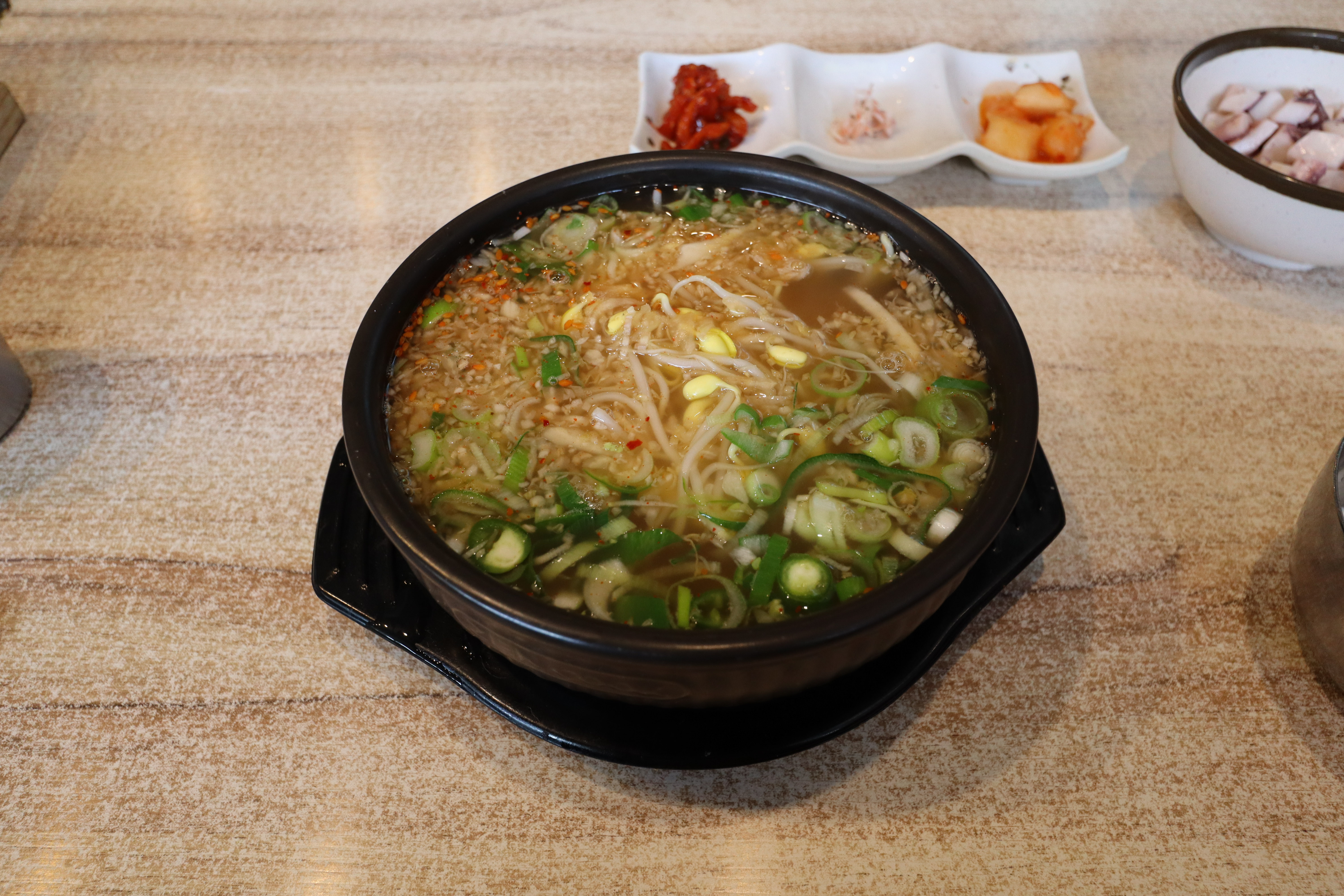
Hero image: “Kimchi jjigae” by GGUJEOK, CC BY-SA 4.0, via Wikimedia Commons
Part of our K-Drama Kitchen series—cooking the dishes that made us hungry while watching.