The Scene: A Sweet That Transcends Worlds
You’re watching Alchemy of Souls (환혼), Netflix’s sprawling fantasy saga set in the fictional nation of Daeho. Between sword fights, soul-shifting magic, and political intrigue, something quieter catches your eye.
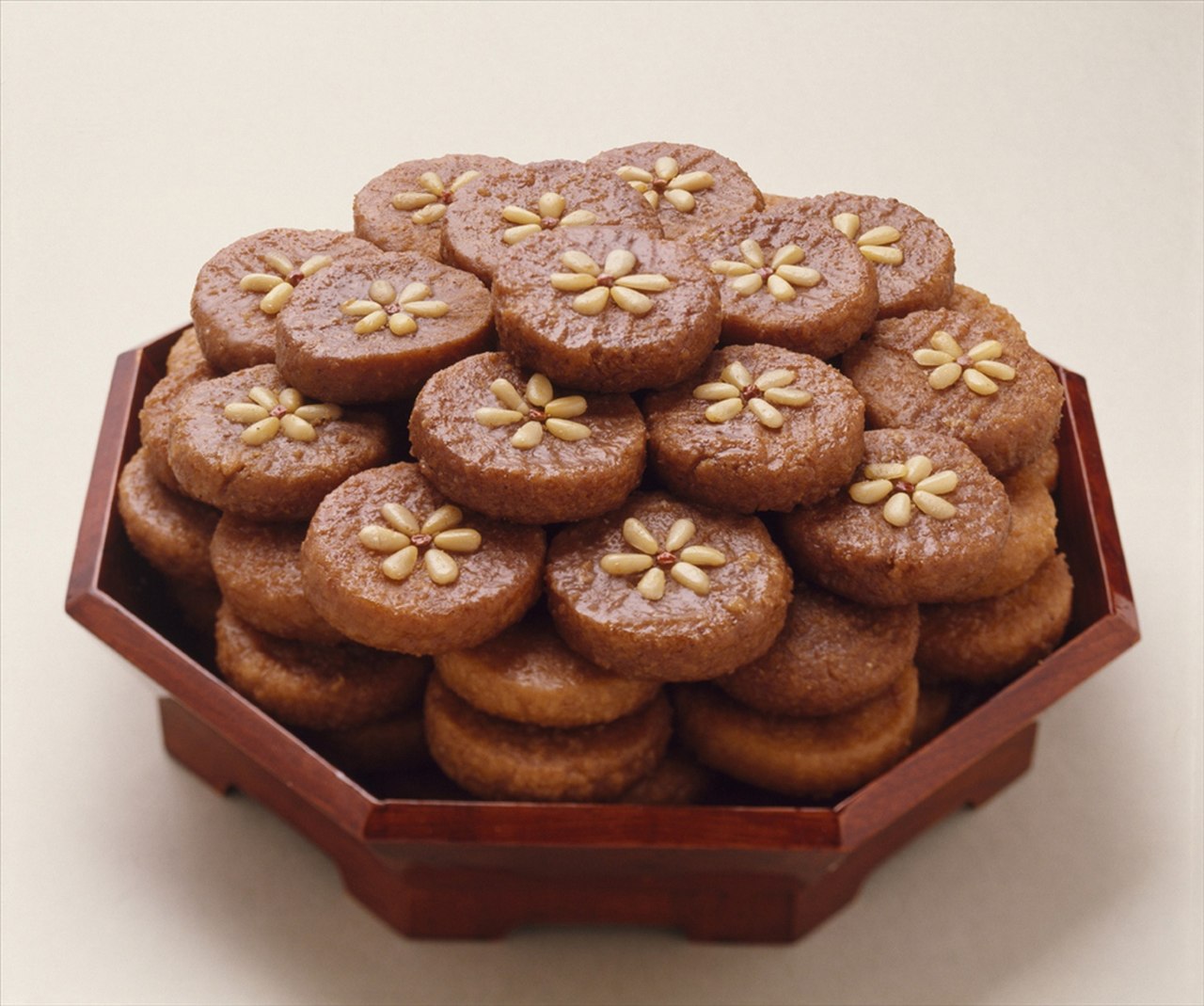
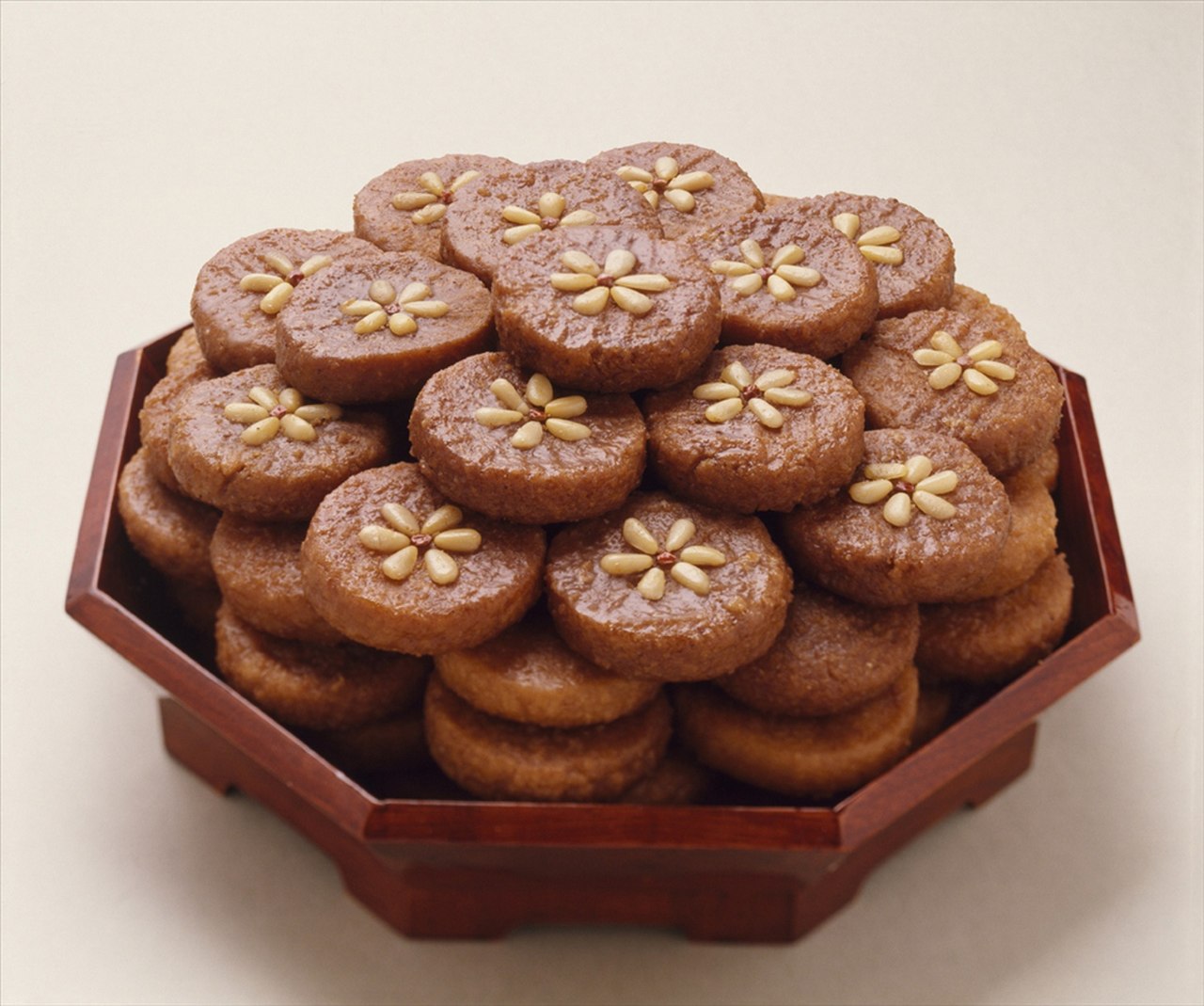
On an elegantly lacquered wooden tray, arranged in careful rows, sit golden flower-shaped confections glistening with honey. Characters reach for them during tense negotiations, celebratory feasts, and quiet moments of contemplation. These aren’t just props—they’re yakgwa (약과), one of Korea’s oldest and most revered traditional sweets.
In Alchemy of Souls, every detail of the set design reflects Korea’s Joseon-era aesthetics, and yakgwa appears repeatedly as a symbol of refinement and tradition. When Jang Uk and Mu-deok share sweets in the quieter moments between their chaotic adventures, it grounds the fantasy in something deeply real—a 700-year-old recipe that Korean families still make today.
What makes yakgwa so fitting for this drama isn’t just its historical accuracy. It’s the symbolism. Yakgwa literally means “medicine confection” (약 = medicine, 과 = confection), reflecting the ancient Korean belief that food and medicine share the same root. In a drama about souls, alchemy, and healing, there couldn’t be a more perfect sweet.
The History of Yakgwa
What Is Yakgwa?
Yakgwa (약과) is a traditional Korean deep-fried honey cookie made from wheat flour, sesame oil, and honey. The name combines yak (약, medicine) and gwa (과, confection)—a name that reflects the Goryeo Dynasty belief that honey possessed healing properties.
Shaped like flowers using wooden molds called dasik (다식) or yakgwa-pan (약과판), each cookie is a small work of edible art. The texture is dense yet tender—crispy on the outside, soft and syrupy within, with a deep fragrance of sesame and ginger.
From Royal Courts to Modern Cafés
Yakgwa’s story spans nearly a millennium of Korean history:
- Goryeo Dynasty (918-1392): Yakgwa first appeared as an offering in Buddhist temple rituals and royal court ceremonies. Honey and sesame oil were precious commodities, making yakgwa a luxury reserved for the elite
- Joseon Dynasty (1392-1897): Yakgwa became the most important hangwa (한과, Korean traditional confection) served at weddings, ancestral rites (jesa, 제사), and state banquets. Production was so widespread that the government occasionally banned it to conserve grain during famines
- Japanese Colonial Period (1910-1945): Western confections flooded the market, and yakgwa production declined sharply
- Modern Revival (2020s): K-Drama period pieces, social media, and a renewed interest in Korean heritage food sparked a massive yakgwa renaissance. Seoul cafés now sell artisanal yakgwa, and convenience stores stock modern versions
Why Yakgwa Was Banned
One of the most fascinating chapters in yakgwa’s history: during the Joseon Dynasty, King Sejong (the same king who created the Korean alphabet) issued a temporary ban on yakgwa production. The reason? Yakgwa had become so popular at feasts and ceremonies that it was consuming excessive amounts of wheat flour, sesame oil, and honey—straining the nation’s food supply. This “yakgwa ban” reveals just how central this cookie was to Korean culture.
| Period | Status | Significance |
|---|---|---|
| Goryeo Dynasty | Temple offering | Sacred food for Buddhist rituals |
| Early Joseon | Royal court staple | Symbol of wealth and ceremony |
| Mid-Joseon | Temporarily banned | Too popular—strained food supplies |
| Modern Korea | Café renaissance | K-Drama-fueled global popularity |
The Recipe: Traditional Yakgwa
This recipe follows the traditional method, producing yakgwa with the authentic flower shape, honey-soaked texture, and fragrant sesame aroma you see in Alchemy of Souls.
Ingredients
- 2 cups all-purpose flour
- 3 tablespoons sesame oil (Korean toasted sesame oil) Amazon →
- 3 tablespoons honey (Korean acacia honey preferred) Amazon →
- 2 tablespoons rice wine (or soju) Amazon →
- 1 teaspoon fresh ginger juice
- Pinch of salt
- Vegetable oil for frying
For the Honey Syrup:
- 1 cup honey
- ½ cup water
- 1 teaspoon ginger juice
- 1 cinnamon stick
- Pine nuts for garnish (optional) Amazon →
Equipment
- Yakgwa mold (약과틀 - flower-shaped wooden mold) Amazon →
- Deep pot or Dutch oven for frying
- Kitchen thermometer
- Wire rack
Video Tutorial
인생약과 레시피 - 바삭하고 쫀득한 장인한과 스타일 약과 만들기
Instructions
Step 1: Make the Dough Sift flour into a large bowl. Add sesame oil and mix with your hands until the flour resembles wet sand—every grain should be coated. This step is crucial: the oil creates yakgwa’s signature tender, flaky interior.
Step 2: Add Wet Ingredients In a separate bowl, mix honey, rice wine, ginger juice, and salt. Pour into the flour mixture. Fold gently until a soft dough forms. Do not knead—overworking develops gluten, which makes yakgwa tough instead of tender.
Step 3: Shape Roll dough to about 1cm thickness. Press firmly into the yakgwa mold, then tap out. If you don’t have a mold, cut into 3cm circles or diamonds and poke each piece 3-4 times with a fork (this prevents puffing during frying).
Step 4: Fry Low and Slow Heat oil to 130°C (265°F)—much lower than typical frying. Gently slide yakgwa pieces into the oil. Fry for 8-10 minutes, flipping occasionally, until golden brown. The low temperature is essential: it cooks the inside through without burning the outside.
Step 5: Prepare the Honey Syrup While yakgwa fries, combine honey, water, ginger juice, and cinnamon stick in a saucepan. Bring to a gentle simmer for 5 minutes, then remove from heat. Discard the cinnamon stick.
Step 6: Soak in Honey Transfer fried yakgwa to the warm honey syrup. Let them soak for at least 2 hours—overnight is even better. The yakgwa will absorb the syrup, becoming glossy and deeply flavored.
Step 7: Garnish and Serve Remove from syrup, place on a wire rack to drain slightly. Press a pine nut into the center of each piece. Serve at room temperature.
FAQ
What does yakgwa taste like?
Imagine a honey-soaked shortbread crossed with a donut, but more delicate. The sesame oil gives it a nutty, toasty base note, the honey provides sweetness without being cloying, and the ginger adds a subtle warmth. The texture is dense but melt-in-your-mouth, never dry.
Why is yakgwa called “medicine confection”?
In traditional Korean medicine (hanbang, 한방), honey was considered a healing ingredient with restorative properties. Sesame oil was valued for its nourishing qualities, and ginger was used to aid digestion. Yakgwa combined all three, earning its medicinal name—not because it cures anything, but because its ingredients were associated with health and vitality.
Can I make yakgwa without a mold?
Absolutely. Many home cooks simply roll the dough flat and cut it into diamonds, circles, or squares. Use a fork to poke small holes in each piece to prevent excessive puffing during frying. The taste is identical—the mold is purely aesthetic.
Why is the frying temperature so low?
Yakgwa must be fried at 130°C (265°F), far below the typical 170-180°C for most fried foods. The low temperature allows the dense dough to cook all the way through without the outside burning. If you fry too hot, you’ll get a dark exterior with a raw, doughy center.
How long does yakgwa last?
Stored in an airtight container at room temperature, yakgwa keeps for 2-3 weeks. The honey syrup acts as a natural preservative. In fact, yakgwa often tastes better after a day or two, as the syrup fully penetrates the cookie.
Why did yakgwa become trendy again?
Three factors converged in the 2020s: (1) Netflix K-Dramas like Alchemy of Souls and Under the Queen’s Umbrella showcased traditional Korean food culture to global audiences, (2) Korean café culture embraced retro-traditional aesthetics, creating modern yakgwa with flavors like matcha and earl grey, and (3) social media platforms like TikTok and Instagram spread visually stunning yakgwa content worldwide.
What’s the difference between yakgwa and other Korean traditional sweets?
Korean traditional confections (hangwa, 한과) include several categories: yakgwa (fried honey cookies), dasik (pressed tea cookies), gangjeong (puffed rice candy), and jeonggwa (candied fruits). Yakgwa is the most labor-intensive and was historically considered the most prestigious.
Make It Tonight
There’s something profound about making a recipe that has survived 700 years. When you press dough into a flower-shaped mold, fry it slowly in oil, and watch it absorb golden honey syrup, you’re performing the same ritual that Joseon royal court cooks perfected centuries ago.
Tonight, put on Alchemy of Souls, make a batch of yakgwa, and taste the sweet that kings once banned for being too irresistible.
오늘 밤, 환혼 정주행하면서 직접 만든 약과와 함께하는 건 어떨까요?
This post contains affiliate links. As an Amazon Associate, I earn from qualifying purchases at no extra cost to you.
Hero image: “Yakgwa (Korean traditional confection)” by CIAT, CC BY-SA 2.0, via Wikimedia Commons
Part of our K-Drama Kitchen series—cooking the dishes that made us hungry while watching.

